
Roof leaks rarely begin with water pouring straight from the ceiling. In many cases, the earliest roof leak signs are much easier to miss, showing up instead as faint stains, musty odors, damp attic insulation, or wear around shingles and flashing. The National Roofing Contractors Association notes that leaks can result from damaged sections of the roof or flashings that have come loose, which is one reason small issues can quietly grow before homeowners realize there is a problem.
That is why early attention matters so much. When the warning signs are caught sooner, roof repair is often simpler, faster, and more affordable than waiting until moisture has spread into ceilings, walls, insulation, or structural materials. The NRCA also stresses that regular inspection and maintenance are essential because minor repairs should be handled immediately to prevent further deterioration of the roof system.
For homeowners, the key is knowing that a leak does not have to look dramatic to be real. A discolored patch, an unexplained smell, or worn roofing components may be the first clue that water is getting in somewhere it should not. Spotting those roof leak signs early can make all the difference in protecting your home and avoiding a much larger roof repair later on.
Ceiling Stains and Interior Discoloration

When Water Damage Shows Up Indoors
One of the most common roof leak signs is discoloration inside the home, but it does not always look like active dripping. A leaking roof may first show up as a faint yellow ring on the ceiling, a brown stain near an upper corner, or a patch of paint that suddenly starts bubbling or peeling. The U.S. Environmental Protection Agency explains that moisture problems can stay hidden inside walls, ceilings, and other materials, which means the visible stain is often only one part of a larger issue.
What These Changes Can Mean
Stains and surface damage often appear after water has moved away from the original entry point. That matters because homeowners may focus on the spot they can see, while the actual roof repair need may be higher up or in a different section of the roof system.
Interior Clues Worth Taking Seriously
- Yellow or brown ceiling spots that seem to grow over time.
- Bubbling paint or peeling drywall tape near the top of a wall.
- Discoloration around corners, light fixtures, or ceiling seams.
These warning signs are easy to dismiss when they seem minor. Still, once interior finishes start changing, moisture has usually been present long enough to leave evidence behind, which is why early inspection matters.
Musty Odors, Attic Dampness, and Hidden Moisture

Some Roof Leak Signs Are Not Visual at First
Not every leak announces itself with a stain in the living room. Sometimes the first sign is a musty smell in the attic, a damp odor near an upstairs closet, or insulation that feels wetter or heavier than it should. EPA guidance notes that mold growth follows moisture, and the key to preventing it is controlling the moisture problem itself.
Why the Attic Often Tells the Story First
The attic sits directly below the roof system, so it is often where hidden moisture starts to build. A small roof leak can create a humid, stale environment before it produces a visible ceiling mark, especially if water is soaking into insulation or wood surfaces little by little.
Conditions That Can Point to Hidden Moisture
- A persistent musty smell that does not go away with normal ventilation.
- Damp or compressed insulation in one section of the attic.
- Moisture on the underside of the roof deck that seems out of place.
This is one reason homeowners should not wait for obvious dripping before acting. When attic conditions begin to change, roof repair may already be necessary to stop moisture from spreading into other parts of the home.
Damaged Flashing, Missing Shingles, and Trouble Around Roof Penetrations
Weak Exterior Points Can Let Water In
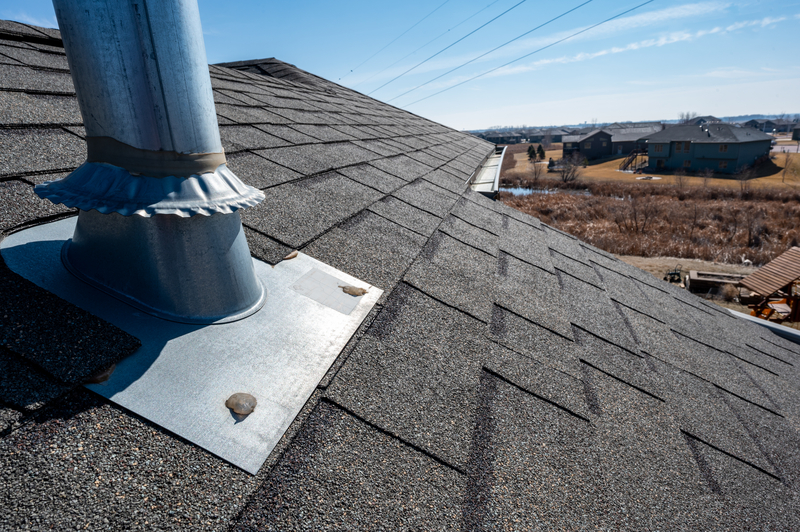
Some of the most important roof leak signs appear on the outside of the home. Loose flashing, cracked sealant, missing shingles, and worn areas around chimneys, skylights, and vent pipes can all create openings where water begins to work its way in. The National Roofing Contractors Association notes that leaks often result from damaged roof areas or flashings that have come loose, which makes these exterior details especially important to monitor.
Why Penetrations Deserve Extra Attention
Any place where the roof is interrupted becomes more vulnerable over time. Penetrations and transitions rely on properly installed materials to keep water moving away from seams and joints, so when those materials shift, crack, or separate, moisture gets a better chance to enter.
Exterior Signs That May Point to Roof Repair
- Missing or lifted shingles near roof edges or valleys.
- Rusted, bent, or separating flashing around roof features.
- Cracked caulk or sealant near vent bases or chimney lines.
- Visible wear around skylights or other roof penetrations.
These issues do not always look dramatic from the ground, which is why they are easy to overlook. Even so, they can create the kind of small entry points that allow water intrusion to start quietly and worsen over time.
Granules in Gutters, Sagging Areas, or Water Where It Should Not Be

Performance Problems Can Be Early Warning Signs
A roof does not have to be actively leaking indoors to show that something is wrong. Granules collecting in gutters, a low or uneven roof line, water pooling near transitions, or one section of gutter that repeatedly overflows can all signal that the roof system is not shedding water the way it should. IBHS explains that flashing and drainage details are meant to direct water away from vulnerable areas and prevent infiltration, so when water movement starts looking irregular, that can point to developing trouble.
Small Changes in Water Flow Matter
This section is less about obvious damage and more about roof behavior. If runoff is backing up, collecting, or concentrating in one place, the problem may involve wear, drainage failure, or hidden deterioration that makes roof repair more urgent than it first appears.
Clues That Suggest the System Is Struggling
- Granules building up in gutters after rain.
- Sagging along a roof edge or a section that looks slightly uneven.
- Water pooling where two roof areas meet.
- Overflow that happens in the same spot again and again.
These signs are useful because they show how the roof is performing, not just how it looks. When water is not moving off the roof correctly, the system is more likely to hold moisture, wear down faster, and develop more serious leaks later.
Protect Your Home Before a Small Leak Becomes a Bigger Repair
Roof leak signs often start quietly. A ceiling stain, a musty smell, worn flashing, or granules in the gutter may not seem urgent at first, but those smaller warning signs can point to moisture already moving through parts of the roof system and into the home. Waiting until water is actively dripping inside usually means the problem has had more time to spread, which can lead to damaged insulation, stained ceilings, mold concerns, and more involved repairs.
That is why it makes sense to act early. When homeowners respond to subtle warning signs sooner, roof repair is often more manageable and far less disruptive than waiting for a bigger failure to develop. At Alpenglow Roofing, we believe homeowners deserve honest guidance and timely solutions when something feels off. Catching a leak early can help protect the roof, the interior of the home, and the budget that would otherwise go toward fixing a much larger problem later.


